
If you’ve been a business owner for a while, you know that disappointment is part of the game. On the road to success, you have your ups, you have your downs. And you have those moments where it just plain didn’t work out the way you wanted. I’ve been coaching business owners for nearly 15 years, and I’ve learned that we all handle disappointment differently. But HOW we handle disappointment is one of the key factors that determines our success.
 Do any of these sound familiar to you? How do you handle disappointment in your business?
- The loser’s limp- When disappointment comes, there is a percentage of the population that seeks sympathy. They stay in the game, but with a noticeable limp. They are very vocal in telling everyone just how bad their disappointment is. They retell their challenges frequently and to anyone that will listen. They are essentially trading sympathy for success. They didn’t get what they wanted in business or in life, so they want something to make them feel better and they find it in the form of sympathy. The challenge is, the sympathy is a false feel good. It doesn’t actually make their situation better. And the limp repels successful people. So the people they need to create the win are not the people who show up for them.
- The pretender- This is the person who jumps back up, rubs some dirt on their injury and just keeps playing. This person pretends like nothing happened. They pretend that they aren’t hurt or disappointed. This is the exact opposite of the loser’s limp. They don’t want anyone to know that they experienced disappointment. While this avoidance tactic will create some success, because the person just won’t give up, it has a crash and burn tendency. The business owner will just keep moving through disappointment after disappointment and eventually it catches up with them. When it does, they tend to crash pretty hard. It could be sickness, or burnout, or a really big set back. This person never stops to analyze their mistakes and as a result, they don’t learn much from them.
- The sideliner- The sideliner experiences disappointment and decides to sit on the sidelines. They watch others continue to play the game. They still have the same desire to play and win. But rather than get back in the game, they voluntarily bench themselves and wait for the perfect moment when it feels safe to jump back in.
- The game changer- The game changer is shockingly common. This person experiences disappointment and decides it’s time to switch opportunities. These people change jobs yearly. They’ve signed up for every network marketing gig under the sun. They have a lot of energy, talent, and drive. They start strong, but then fizzle quickly. They struggle to stay in one place long enough to work out all of the kinks.
 The processor- I don’t know that the processor is a natural tendency so much as it is a learned skill. When we are self-aware and trained to handle disappointment, we take time to acknowledge and process the experience. We recognize the sting of disappointment, we process the emotion. And then we look at the experience and start learning the lessons it taught us. It’s that learning from our mistakes that propels us forward on the journey.

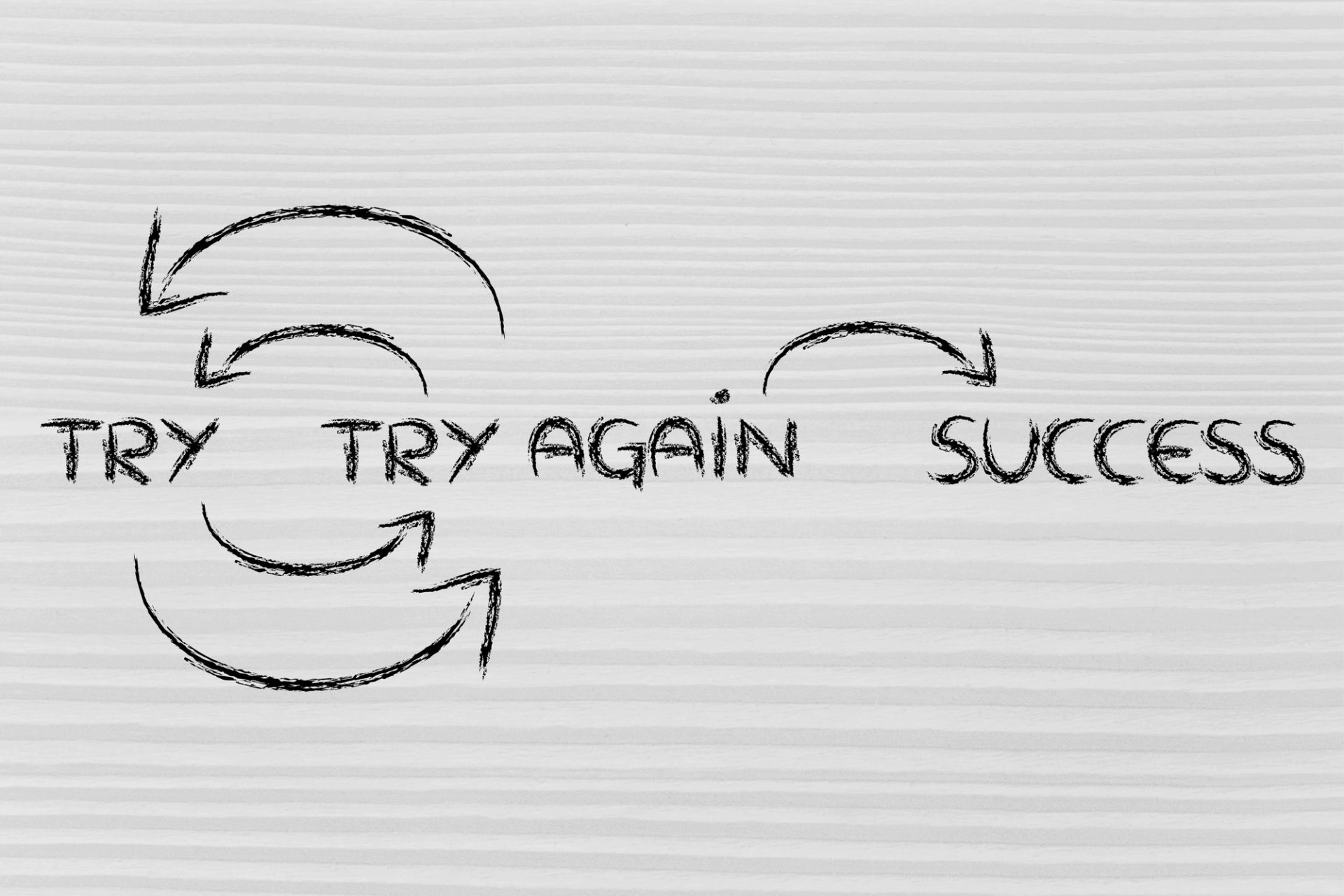
Some of my best wins have come after a series of disappointments. I don’t think any of us enjoy the disappointments we experience in business. But the most successful people learn to manage that disappointment and more importantly they learn from them. Every huge success in the world has failed far more times than they have won. But they learn to view their disappointments, setbacks and failures as lessons on the journey. When was the last time you experienced disappointment and what did you learn from it?